
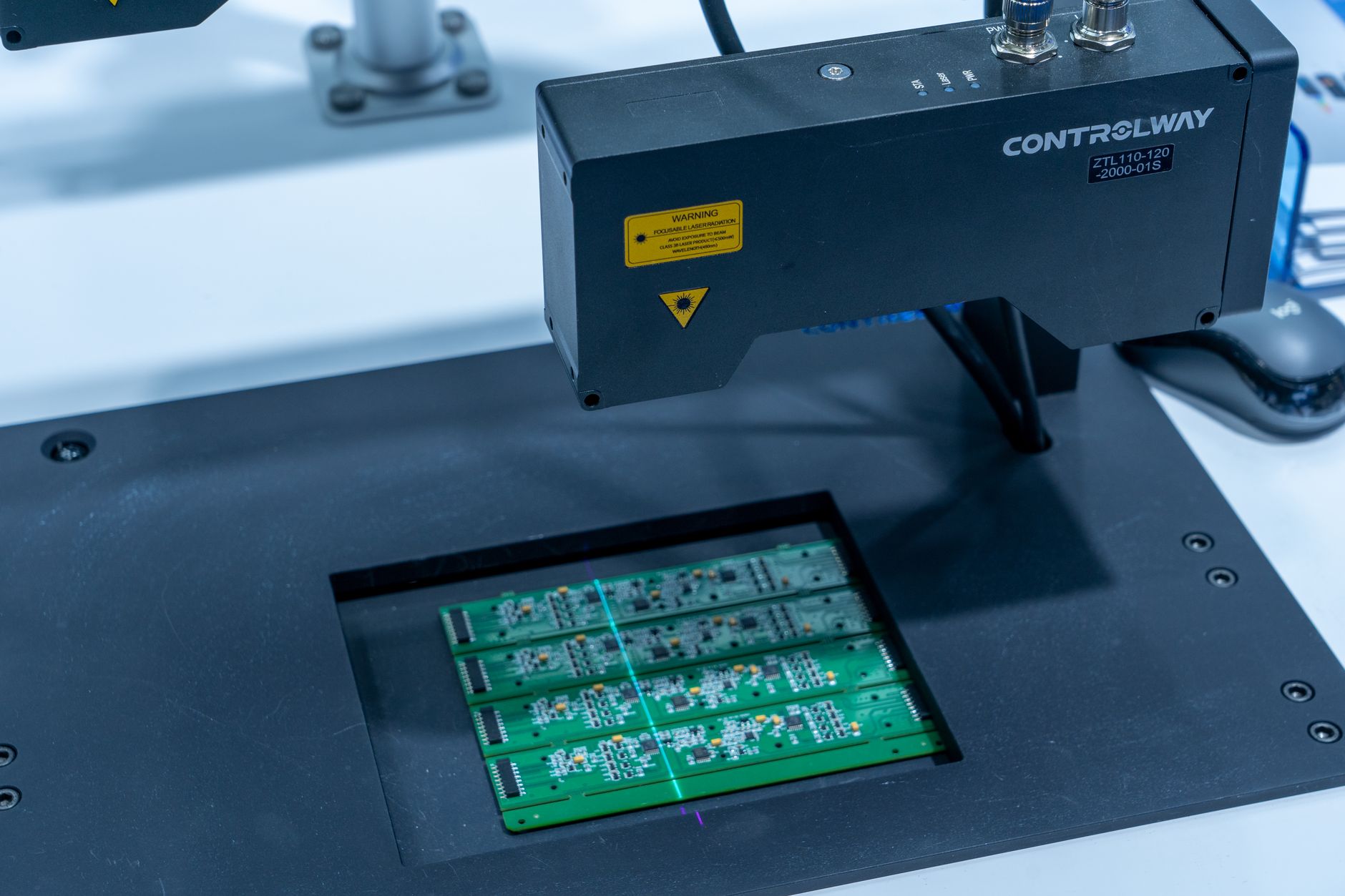
Machine vision is no longer a research novelty: it is part of the daily operation of production lines, logistics spaces, and industrial facilities. The images from existing cameras are processed by a video analytics layer and turned into signals that can be used to control the process — under human supervision, in real time.
What does the system see, and what does it not?
An object detection model (such as architectures from the YOLO family) recognizes objects, people, and tools appearing on image frames and marks their locations. From this, checking for the presence of personal protective equipment, monitoring restricted entry zones, or item-level product qualification can be built. The system sees what it was trained on: every new recognition task requires representative sample material and measurable acceptance criteria.
Where is the fastest return on investment?
As a rule of thumb, the best candidate tasks are those that are repetitive, visually unambiguous, and currently tie up human attention: quantity counting, searching for missing parts, filtering surface defects, or checking compliance with occupational safety regulations. These can typically be introduced in small steps, and their impact can be measured directly on the defect rate or lead time.
How should I get started?
The introduction typically starts with an assessment: what cameras and systems are already in use, what data is available, and what is the single process where results can be seen the fastest. This is followed by solution design, integration into existing VMS and IoT systems, and finally model fine-tuning and continuous operation. The goal is not to transform the entire production all at once, but to reliably solve a well-defined task — and build the next step upon that.